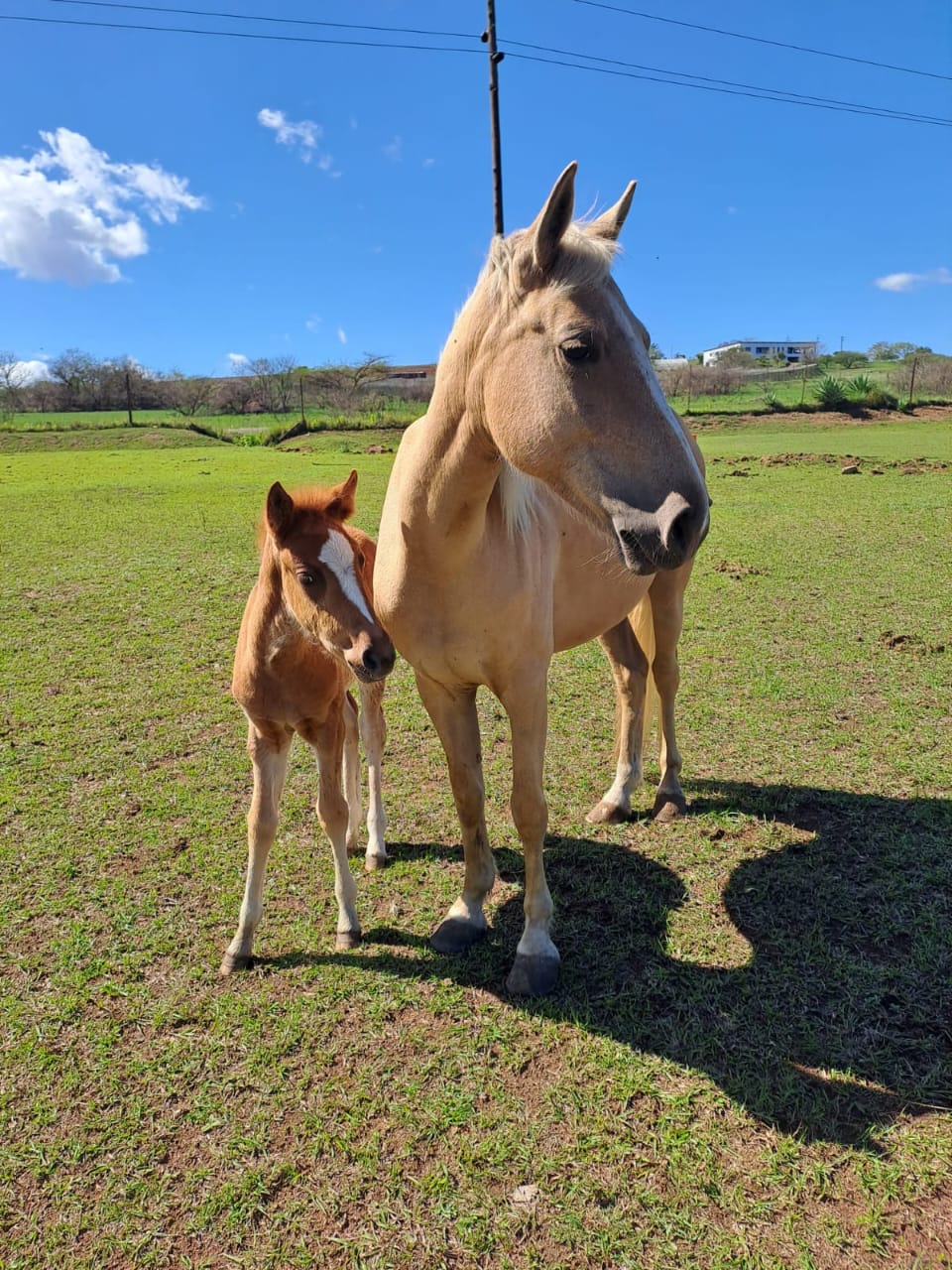
Advocating for the Natural Way of the Horse Herd
Horse Herd… But first….What is a herd? A herd is a social group of animals of the same species that live, travel, or feed together. In the context of horses, a herd typically consists of multiple individuals that form a social unit, often led by a dominant leader. Herds provide protection, companionship, and social interaction, which are essential for the animals’ survival and well-being.
At Heartland KZN Rescue, we live and breathe one simple truth: horses are meant to be horses. These majestic creatures have roamed the earth long before Humans came into the picture, forming herds, forging bonds, and thriving in their natural habitats. As a rescue team dedicated to the welfare and happiness of these animals, we aim to shed light on why it is crucial for horses to live in herds, enjoy natural foraging, and embrace their true nature.
The Natural Herd Life
Horses are inherently social animals that derive immense comfort and security from living in a herd. In the wild, their survival depends on these bonds, as they offer protection and companionship. Within a herd, horses establish hierarchies, develop friendships, and communicate through a language of subtle gestures and sounds. This social structure is vital for their mental and emotional well-being.
When horses are removed from their herds or isolated, it can lead to detrimental effects on their health and happiness. Much like humans, horses experience stress and anxiety when separated from their companions. This is why we at Heartland emphasize the importance of keeping them together with their herd whenever possible.

Health Benefits of Natural Living
Allowing horses to browse naturally off various forage is essential for their physical health. In the wild, horses graze on a variety of plants and trees, which provides them with the necessary nutrients to maintain a balanced diet. This natural foraging helps prevent digestive issues, such as colic and laminitis, which are more common in stabled horses that are fed a restricted diet.
Moreover, the physical activity involved in grazing and running together as a herd helps maintain their fitness levels. Regular movement prevents obesity, strengthens muscles, and supports joint health. At Heartland, we ensure that our rescue horses have ample space to roam freely, encouraging them to run and play as they would in the wild.

Emotional and Welfare Benefits of a Horse Herd
Beyond physical health, the emotional and welfare benefits of a natural lifestyle cannot be overstated. Horses that are allowed to engage in natural behaviours exhibit fewer signs of stress and depression. They develop confidence and resilience through social interactions within the herd.
While many people recognize the importance of keeping dogs and other animals with their families, horses often face rehoming without consideration of their emotional bonds. At Heartland, we are committed to honouring these relationships. We only adopt out horses if it is genuinely in their best interest, ensuring that they find a new home where they can continue to thrive socially.
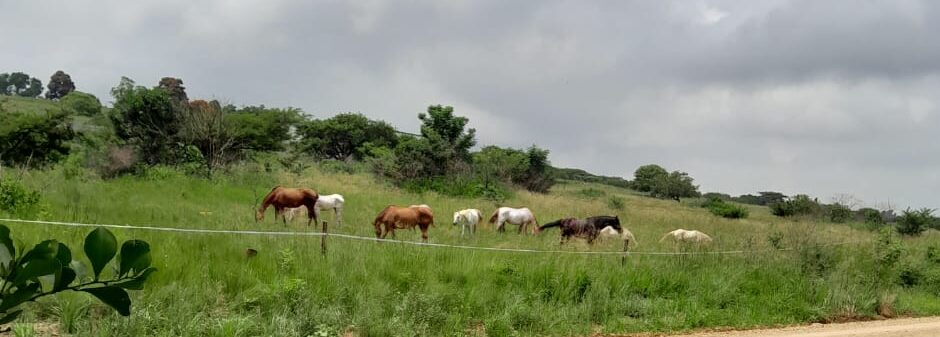
Horse Herd Commitment at Heartland
At Heartland KZN Rescue, our primary focus is the well-being and happiness of each horse in our care. While we do occasionally adopt out horses, this decision is made only when it aligns with the best interests of the individual horse. We carefully assess each situation to ensure that the new environment will meet their social, emotional, and physical needs. However, it is important to note that the majority of our rescues become permanent residents. These horses find a forever home with us, where they can live in comfort and dignity, surrounded by their herd and form life long bonds with other herd members.
We rely on the public’s generosity to support their care and maintain their quality of life. Through tax-deductible donations, you can help us provide a safe haven where horses can live as they are meant to—together with their herd, a forever home.
For those who want to make a more personal connection, we offer a “virtual adoption” program. By virtually adopting a horse, you will receive a certificate of adoption and weekly updates on your horse’s well-being. This is a wonderful way to contribute to their care while staying connected with their journey.
We hope this article inspires you to support the Heartland Herd and advocate for the natural lives these incredible animals deserve. Together, we can make a difference in their lives and ensure they continue to thrive in harmony with their surroundings.
A RECAP ON WHY HERD LIVING IS SO IMPORTANT FOR HORSES
- Social Interaction: Living in a herd allows horses to establish social bonds, which are essential for their mental and emotional well-being.
- Natural Behaviour: Horses can engage in behaviours such as grazing, playing, and grooming each other, which are crucial for their happiness and stress reduction.
- Nutritional Variety: Grazing naturally provides horses with a diverse diet, supplying essential nutrients and reducing the risk of digestive issues.
- Physical Fitness: Regular movement in a herd setting helps maintain fitness, strengthens muscles, and supports joint health.
- Stress Reduction: Being part of a herd reduces stress and anxiety, as horses feel safer and more secure with companions.
- Emotional Stability: Horses in herds develop confidence and emotional resilience through social interactions.
- Improved Welfare: A natural lifestyle supports overall welfare, decreasing the likelihood of behavioural problems associated with isolation.
- Enhanced Immunity: Exposure to various natural elements while grazing can help strengthen the immune system.
- Mental Stimulation: Roaming and exploring different environments provide mental stimulation, keeping horses engaged and curious.
WHY HORSES SHOULD NOT BE KEPT ALONE OR STABLED FOR PROLONGED PERIODS
- Social Isolation: Horses are deprived of essential social interactions, leading to loneliness and potential behavioural issues.
- Increased Stress: Limited herd contact can elevate stress levels, contributing to anxiety and depression.
- Restricted Movement: Confinement in stables or small paddocks reduces physical activity, which can lead to obesity, muscle atrophy, and joint stiffness.
- Boredom and Frustration: Lack of mental stimulation and natural environment can cause boredom, leading to stereotypic behaviours like cribbing or weaving.
- Digestive Health Issues: A restricted diet without diverse grazing can increase the risk of digestive problems such as colic and gastric ulcers.
- Weakened Immune System: Limited exposure to natural elements may hinder the development of a robust immune system.
- Impaired Natural Behaviour: Inability to exhibit natural behaviours can result in frustration and behavioural problems.
- Increased Risk of Illness: Poor ventilation and close confinement can lead to respiratory issues and other health problems.
- Emotional Distress: Isolation from other horses can cause emotional distress, impacting overall well-being.
- Higher Maintenance Costs: Keeping a horse stabled often requires more resources for bedding, cleaning, and feeding compared to natural grazing environments.
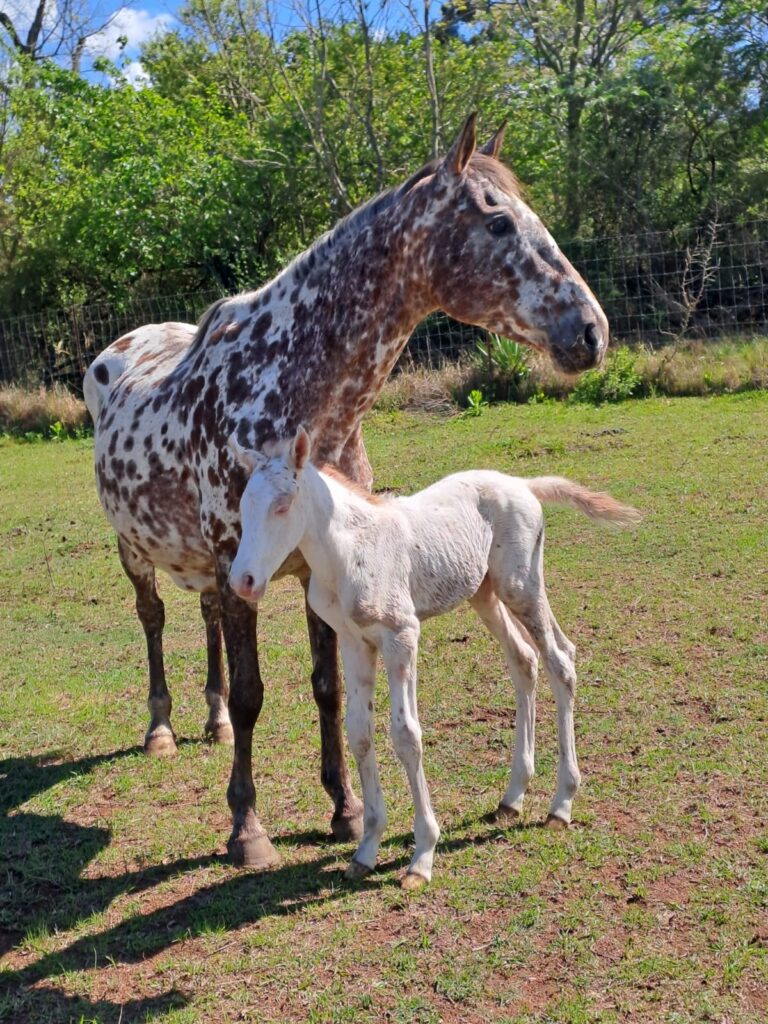
MAKE A TAX-DEDUCTIBLE DONATION TO THE HEARTLAND HORSE HERD AND HELP KEEP THEM TOGETHER
Heartland Rescue & Rehabilitation Non-Profit
Reg: 2021/128186/08
Tax Exemption Number: 930079238
NPO: 299-756
Account Name: Heartland Rescue KZN
Bank: First National Bank
Account Type: Business Account
Account Number: 62927033746
Reference: YOUR NAME / BUSINESS NAME
Paypal : info@heartlandkzn.co.za